from Improv Traffic School Blog http://feedproxy.google.com/~r/improvtrafficschool/~3/2e8nWMq3WQU/is-acura-too-american-to-compete-globally
Friday, February 20, 2015
Is Acura too American to compete globally?
from Improv Traffic School Blog http://feedproxy.google.com/~r/improvtrafficschool/~3/2e8nWMq3WQU/is-acura-too-american-to-compete-globally
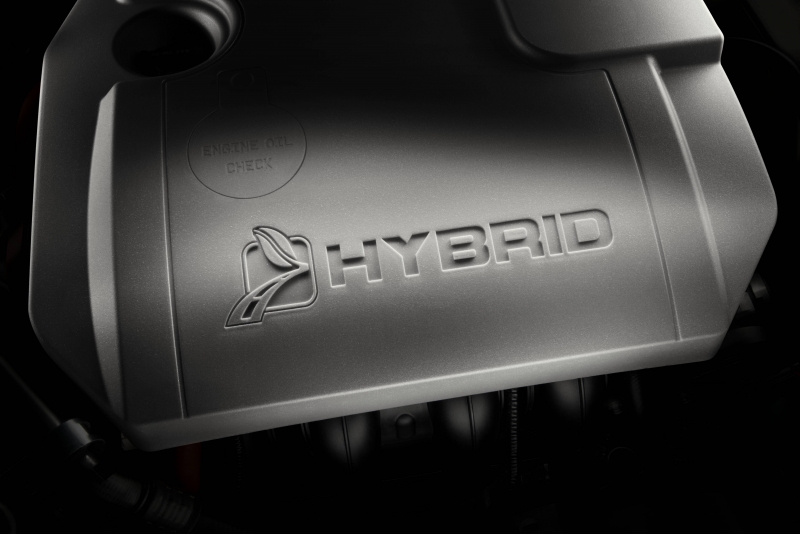
DIY’ers: Tread Carefully When Maintaining Hybrid Vehicles
A huge snowstorm is bearing down as you head home from work. Do you fight the crowds to fill your tank or chance it that you have enough gas? If you drive a hybrid vehicle, you can likely avoid waiting in line, head home, plug in and enjoy a nice cup of cocoa.
Today’s hybrid vehicles offer many compelling features. Gas mileage is about five miles per gallon better than traditional gas-powered cars. Hybrids don’t have to be filled up as often because they can run on alternative fuels. And, when you drive a hybrid, you’re responsible for much less dangerous carbon monoxide entering the atmosphere.
There’s certainly a lot to like about hybrids. But how do these vehicles stack up when it comes to the maintenance needed to keep them running smoothly?
Understanding Hybrids
Hybrids use dual power sources: traditional gas engines, along with an alternative fuel source like electricity or a motor that runs on hydrogen. The second fuel source can activate at certain times, which lowers gasoline usage.
Hybrids with gas and electric motors store energy while the car is in motion, and they “decide” which fuel source to use based on many factors that can change by the second. The car switches its power source automatically as needed and, so, uses less gas than a traditional car. At times, the vehicle runs completely on battery and at times on gas.
Maintaining A Hybrid
With both an electric motor and a gasoline engine, hybrids require twice the effort to maintain, right? Fortunately, that’s not the case. Hybrid cars typically don’t need extra maintenance for the components specific to the hybrid nature of the vehicle. Routine maintenance like oil changes and tire rotations does not differ significantly with a hybrid, although driving habits determine the frequency of needed maintenance. The biggest differences in maintenance of a hybrid fall into a few categories:
- Brakes: Hybrid braking systems help capture lost energy as the car decelerates. This provides energy to be used later and decreases both friction and heat, along with wear on brake pads, which means they last longer.
- Battery: Hybrids feature large, nickel metal hydride batteries that can cost several thousand dollars, but they’re made to last through much of the life of the car and typically have long warranties. When the battery does start to degrade, efficiency and performance of the hybrid will noticeably deteriorate as well. During every vehicle service, the battery should be inspected and conditioned, which can save significant money in the long run.
- Tires: When tires need to be replaced, it’s important to use equivalents of the hybrid’s “low rolling-resistant tires.” Choosing the wrong tires could result in lower fuel mileage. And that’s really the point of having a hybrid in the first place, isn’t it?
DIY with caution
If you normally take care of your own car, understand that hybrids are different and may require assistance from a professional. Hybrids include advanced electronics, along with some additional differences:
- Potentially unfamiliar oil weights, such as 0W-20.
- Complex battery wiring that can reach from the trunk to the engine.
- Components with significantly more volts of electricity, often indicated with a casing that’s bright orange.
Carrying all your mechanic’s tools in the trunk may not be a great idea, since weight is the enemy of fuel economy. You still may be able to switch out spark plugs, check fluid levels and swap out some of the simpler components like air filters. But major diagnosis and repair is best left to a professional.
Whether you’re driving a traditional gas-powered vehicle or a hybrid, safety is critical. A defensive driving course through a reputable traffic school can help you learn to drive more safely, and it can help you have a traffic ticket dismissed and avoid accumulating points on your license.
The post DIY’ers: Tread Carefully When Maintaining Hybrid Vehicles appeared first on MyImprov.
from Improv Traffic School Blog http://feedproxy.google.com/~r/improvtrafficschool/~3/QNAlsLamU0I/
Monday, February 16, 2015
Did Subaru store falsify customer surveys?
from Improv Traffic School Blog http://feedproxy.google.com/~r/improvtrafficschool/~3/vEa5dwLqRfI/did-subaru-store-falsify-customer-surveys
10 SUV Crossover Vehicles That Are Surprisingly Cheap To Insure
Car insurance is obviously a must-have because it’s illegal to drive without it. By the time you get to be 25-years-old your rates will naturally go down a bit, which is great, but there are other ways to have less expensive insurance. You can take a defensive driving course at your local traffic school which shows your insurance company that you care about the quality of your driving. They will lower your rates for that. Younger driver’s can get better rates by taking their driver’s education courses at certified local driver’s education schools. Also many people don’t know this, but the vehicle you choose to drive can have a big impact on your insurance rates. If you are in the market to purchase a new vehicle especially a SUV or crossover SUV, you might choose one on this list that is less expensive to insure.
Toyota Sienna LE
Yearly insurance rate: $1148.78. The safety rating of this Toyota traditional minivan is the reason it’s on the list as being a great less expensive vehicle to insure. It’s roomy interior is perfect to cart all your family members around, and even a few of their friends.
Mazda Tribute S
Yearly insurance rate: $1146.69. The Mazda Tribute is considered a crossover SUV, so it’s a combination SUV and sedan. Seating five it’s the perfect vehicle for a family of four, and maybe a pet or two.
Dodge Grand Caravan C/V
Yearly insurance rate: $1146.53. This highly rated minivan has all of the bells and whistles you could possibly want for your family. The media choices are endless, and it’s the highest selling minivan for the past five years.
Honda CR-V LX
Yearly insurance rate: $1146.29. This is another crossover SUV type vehicle. It’s excellent gas mileage, and sport look is perfect for the young professional or college student. Honda’s in general are very durable, long lasting cars.
Jeep Patriot Sport
Yearly insurance rate: $1145.58. You don’t get any more fun than this sporty Jeep crossover, which is just right for all your off-road or camping type adventures. It’s a compact SUV that for the price gives your a whole lot of vehicle to drive.
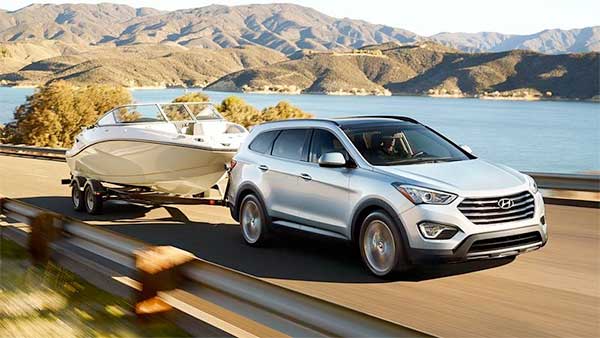
Hyundai Santa Fe GLS
Yearly insurance rate: $1141.07. This is a full size SUV that looks great, is fun to drive, is roomy enough for small families, and insurance costs won’t break your piggy bank every month.
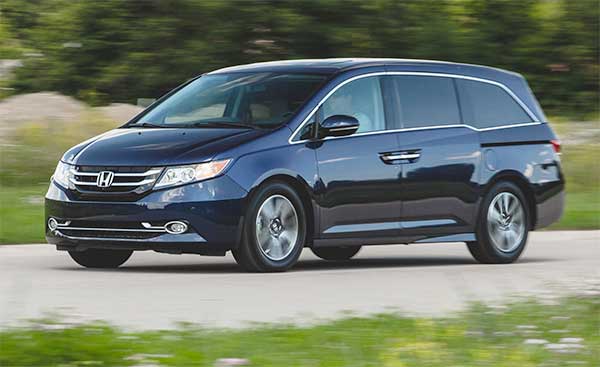
Honda Odyssey EX
Yearly insurance rate: $1139.80. The adorable Honda Odyssey is the perfect first minivan type car for you and it seats up to eight people with it’s roomy, relaxing interior. Perfect for family road trips with it’s amazing gas mileage.
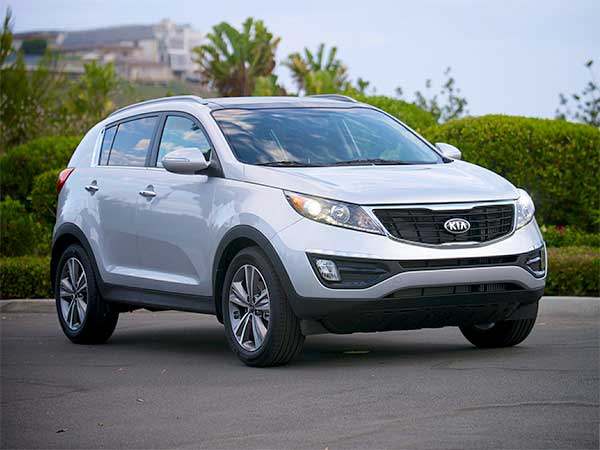
Kia Sportage LX
Yearly insurance rates: $1138.41. Kia is known for it’s affordability and this vehicle is no exception. The price starts at 21,000, and is considered a smaller sized SUV. There are many different style options and features to choose from that you will feel like you are getting a luxury car at a great price.
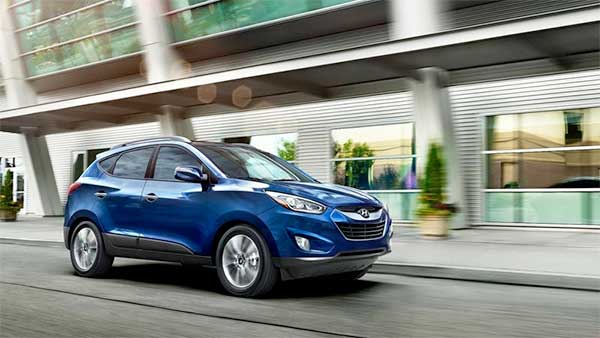
Hyundai Tucson GLS
Yearly insurance rate: $1134.08. Roomy and affordable are two words that suit this car to perfections. The best part is the option to get a panoramic sunroof, and the fluid design of the car is very eye-catching. You’ll be the envy of all your neighbors.
Jeep Wrangler X
Yearly Insurance rate: $1124.38. This is a modern American classic. Whether you are a new driver or been on the road for years, you will be dying to pull of the top, take it off road, and have a blast without going broke.
Whatever SUV or SUV crossover vehicle you choose, having a little less expensive insurance will allow you to put your money towards doing all kinds of fun things in your new car. More road trips, dinners out, and shopping excursions are all possible when you pay less every year for your insurance. Choosing any one of these fine vehicles will keep a few extra bucks where they belong, in your pocket and not in the pocket of big insurance companies. Being safer in your car can also happen when you take those defensive driving courses. Discounts can truly make a difference in your insurance rates because a driver who actively take steps to improve upon their driving skill set, will look better to insure according to insurance companies. The less accidents that occur, mean less claims for insurance companies to pay out.
The post 10 SUV Crossover Vehicles That Are Surprisingly Cheap To Insure appeared first on MyImprov.
from Improv Traffic School Blog http://feedproxy.google.com/~r/improvtrafficschool/~3/eZS8Bm-QjWs/
Quick! Someone, call the police!
Sunday, February 15, 2015
Did store falsify customer surveys?
from Improv Traffic School Blog http://feedproxy.google.com/~r/improvtrafficschool/~3/jQSRecLPon8/did-store-falsify-customer-surveys
Chevy looks to expand focus-group spots
from Improv Traffic School Blog http://feedproxy.google.com/~r/improvtrafficschool/~3/Oq-mhYp6dHA/chevy-looks-to-expand-focus-group-spots